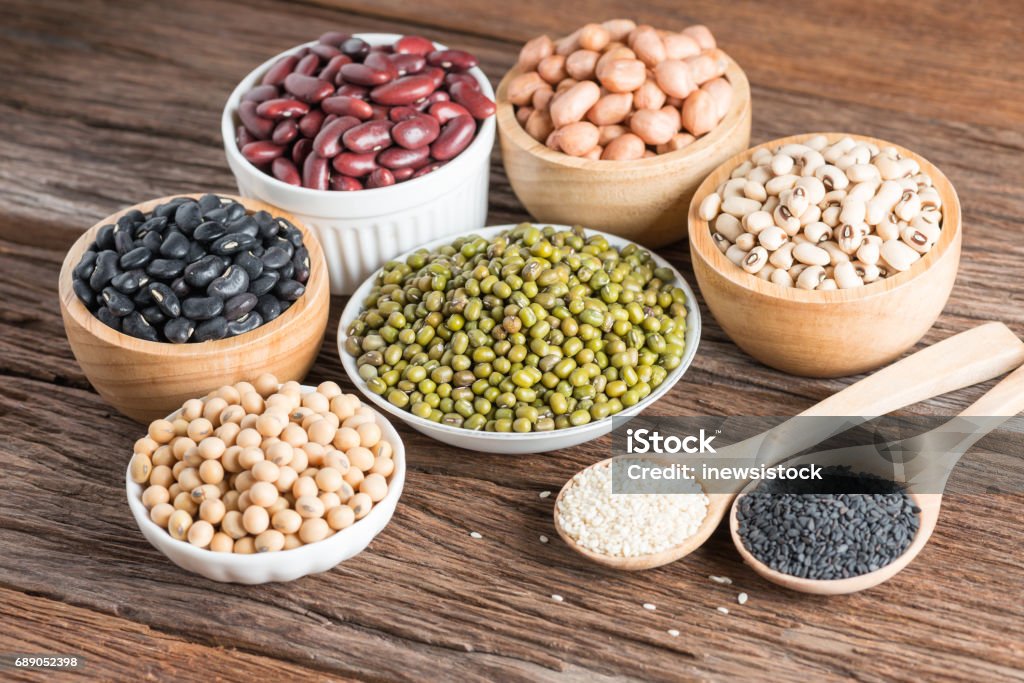
The United States is facing a silent but deadly health crisis — and it's not just about viruses or lack of exercise. It’s the very food that lines our grocery store shelves, fills our school cafeterias, and dominates our fast-food chains. The American diet, rich in processed foods, added sugars, unhealthy fats, and sodium, is contributing to an epidemic of chronic diseases that are cutting lives short and straining the healthcare system.
But what does the science really say? And what can be done to reverse this dangerous trend?
🍔 The Harsh Truth Behind the American Plate
According to the Centers for Disease Control and Prevention (CDC), more than 60% of adults in the U.S. are overweight or obese, and chronic diseases like heart disease, cancer, and type 2 diabetes account for 7 in 10 deaths each year. Many of these illnesses are directly linked to diet.
The typical American diet — known in research as the Western diet — is:
- High in refined grains
- Loaded with sugar-sweetened beverages
- Full of red and processed meats
- Low in fruits, vegetables, legumes, and whole grains
This dietary pattern promotes inflammation, insulin resistance, and oxidative stress, all of which are major drivers of chronic disease.
📊 What the Data Says
Recent studies provide a clear and alarming picture:
- A Harvard School of Public Health study found that individuals who eat high amounts of red and processed meat increase their risk of premature death by up to 20%.
- According to the National Institutes of Health (NIH), diets high in added sugars are linked to higher risks of obesity, cardiovascular disease, and liver problems.
- The Global Burden of Disease Study identified poor diet as the leading cause of death in the U.S., surpassing tobacco use and high blood pressure.
🧠 How Poor Diet Affects Your Body
A diet filled with fast food, sugary drinks, and low-nutrient meals doesn't just expand your waistline — it attacks nearly every system in the body:
💓 Heart
- Excess saturated fats and sodium lead to high blood pressure, cholesterol issues, and eventually heart disease.
🧠 Brain
- Diets low in omega-3 fatty acids and antioxidants can impair cognitive function, increasing the risk of depression and Alzheimer’s.
🍬 Metabolism
- High sugar intake contributes to insulin resistance, leading to type 2 diabetes.
💪 Inflammation
- Processed foods increase inflammatory markers in the blood, weakening the immune system.
🚫 The Food Industry’s Role
Let’s not ignore the elephant in the room: the American food industry.
From aggressive marketing of sugary cereals to ultra-processed snacks in schools, the food industry plays a massive role in shaping dietary habits. Research by Yale University’s Rudd Center for Food Policy shows that children in the U.S. see an average of 10–13 junk food ads every day, influencing lifelong choices.
The abundance of cheap, calorie-dense, nutrient-poor foods makes healthy eating a challenge, especially for low-income families.
🥦 What Can Be Done?
Despite the bleak statistics, the good news is this: diet-related diseases are largely preventable. And change starts with awareness and action.
✅ 1. Eat More Whole Foods
Focus on fresh fruits, vegetables, whole grains, nuts, and legumes. These provide fiber, vitamins, antioxidants, and essential minerals.
✅ 2. Cut Ultra-Processed Foods
Avoid items with long ingredient lists, especially those with added sugars, sodium, trans fats, and preservatives.
✅ 3. Choose Healthy Fats
Replace saturated fats with olive oil, avocado, flaxseed, and fatty fish like salmon.
✅ 4. Drink Water, Not Sugar
Limit or eliminate soda, energy drinks, and sweet teas. Opt for water, herbal teas, or infused water.
✅ 5. Read Nutrition Labels
Check serving sizes, sugar content, and sodium levels before buying.
🍽️ Practical Example: A Healthier Day of Eating
| Meal | Healthy Option Example |
|---|---|
| Breakfast | Oatmeal with berries, chia seeds, and unsweetened almond milk |
| Lunch | Grilled chicken salad with olive oil and lemon dressing |
| Snack | Apple with natural peanut butter |
| Dinner | Quinoa with roasted vegetables and baked salmon |
🏥 What Experts Recommend
Leading health organizations, like the American Heart Association, recommend:
- Limiting added sugars to less than 6 teaspoons/day for women and 9 for men
- Eating at least 5 servings of fruits and vegetables daily
- Reducing sodium intake to under 2,300 mg/day
🌎 The Bigger Picture
Improving America’s diet isn't just a personal issue — it’s a public health priority.
Poor diet costs the U.S. healthcare system over $50 billion per year, according to the American Public Health Association. It also contributes to lost productivity, education challenges, and social inequalities.
That’s why public policy matters:
- Banning trans fats
- Adding clear food labeling
- Regulating junk food ads for children
- Incentivizing fresh food access in underserved areas
🙌 Final Thoughts
The American diet, as it stands today, is harming millions. But it doesn’t have to be that way.
With better education, policy changes, and personal commitment, it’s possible to reverse the damage. Every healthy choice — every fruit over chips, every glass of water over soda — adds up.
This is not just about living longer, but living better.